
The Digital Divide Is a Poverty Trap
بقلم Nur Springs Initiative · 5 يوليو 2026
هذا المقال متوفر باللغة الإنجليزية فقط.
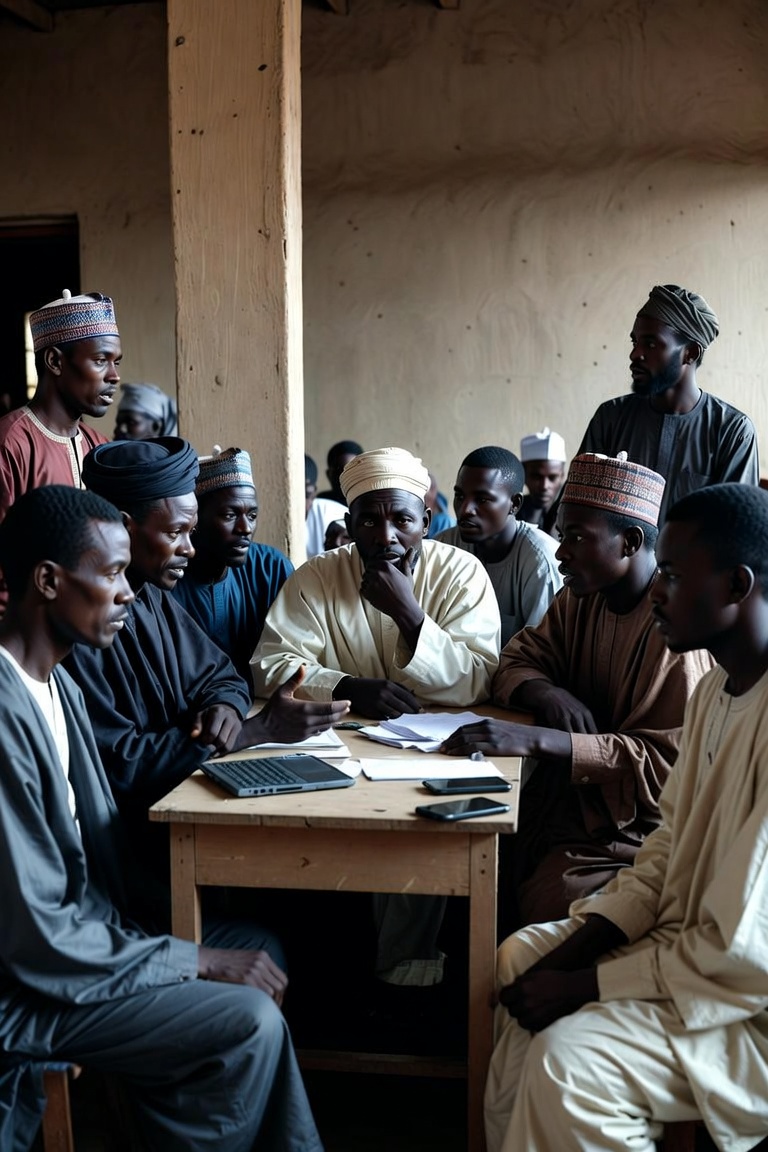
There was a time when knowing how to use a computer was considered a bonus skill, something that made a good resume slightly better. That time is over.
Today, digital literacy sits somewhere close to reading and writing on the list of basic skills a person needs to participate in the modern economy. Job applications are submitted online. Banking happens on a phone. Even farming now depends on apps for weather data, market prices, and mobile payments.
When a whole generation gets left behind
For young people in many parts of Northern Nigeria, the problem is not a lack of ambition or intelligence. It is a lack of access. Without a device to practice on, without a teacher who understands the basics, and without a safe place to learn, an entire generation can grow up locked out of opportunities that increasingly exist only online.
This gap does not stay the same size. It grows. Every year that a community goes without digital literacy training, the rest of the world moves further ahead, and the climb back gets steeper.
Closing the gap from the ground up
Our EduTech for All program exists because we believe this gap can be closed, one learning centre at a time. Rather than treating digital literacy as an extra, we treat it as foundational, alongside reading, writing, and arithmetic.
Young people, girls and boys alike, deserve the chance to sit at a keyboard, understand how the digital world works, and walk away with real, transferable skills. Not because it is trendy, but because in the world these children are growing into, it may be one of the most important subjects we can teach them.
A community that is digitally literate can trade, learn, and connect on its own terms. A community that is locked out cannot. That difference is exactly what we are working to change.
التعليقات
جارٍ التحميل…